Choosing an MRI machine is not always straightforward. Most diagnostic centre owners are not just comparing specifications. They are thinking about patient demand, available space, operating costs, and future growth.
Over the years, many healthcare facilities have faced the same question. Should they invest in a system that meets today's needs, or choose one that can support a larger patient volume in the future?
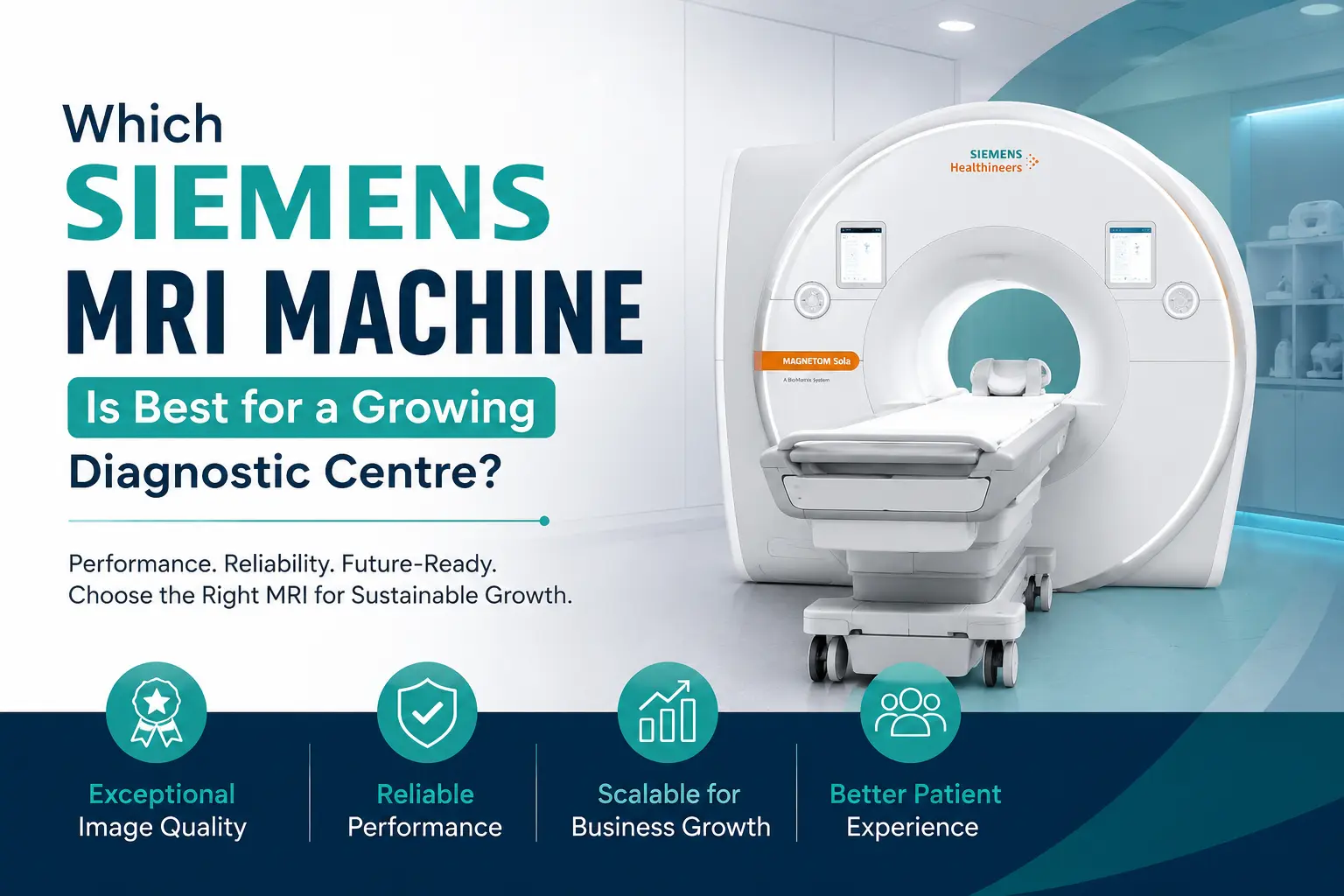
When discussing Siemens MRI systems, two models often come up in these conversations: Essenza and Avanto. Both are trusted 1.5T MRI systems, but they are designed for different requirements.
From what many imaging professionals have experienced, the best choice is not always the most advanced system. It is the one that fits your workflow, patient volume, and budget without creating unnecessary operational pressure.
In this guide, well look at the key factors that growing diagnostic centres should consider and compare the Siemens Essenza and Siemens Avanto to help you make an informed decision.
Start With Your Diagnostic Centre\'s Needs
Before looking at MRI models, it helps to take a step back and assess your facility.
Many buyers begin by comparing machine specifications. While specifications matter, they only tell part of the story.
A better starting point is understanding your actual requirements:
How many MRI scans do you expect each day?
What types of examinations will you perform?
How much space is available for installation?
What budget have you allocated for the project?
Do you plan to expand your services in the next few years?
These questions often provide more clarity than a product brochure.
In many cases, healthcare facilities purchase systems that exceed their immediate needs. This can increase both acquisition and maintenance costs. On the other hand, selecting a system that is too limited may create capacity issues as patient demand grows.
Finding the right balance is often the most practical approach.
Siemens Essenza MRI: A Strong Choice for Routine Imaging
For many diagnostic centres, the Siemens Essenza MRI is often the starting point when evaluating MRI systems.
The Essenza is a 1.5 Tesla MRI system designed to support a wide range of routine diagnostic applications. It is commonly used for neurological, musculoskeletal, spinal, abdominal, and general imaging studies.
One reason many growing centres consider the Essenza is its balance between performance and investment.
The system offers:
Reliable image quality
Broad clinical applications
Efficient workflow
Proven Siemens technology
Lower investment compared to higher-end systems
From an operational perspective, the Essenza often works well for centres handling moderate patient volumes.
Many imaging professionals recommend focusing on patient demand rather than future assumptions. If your centre is currently building its referral network and patient flow, a system like the Essenza may provide everything needed without adding unnecessary costs.
Siemens Avanto MRI: Built for Higher Patient Volumes
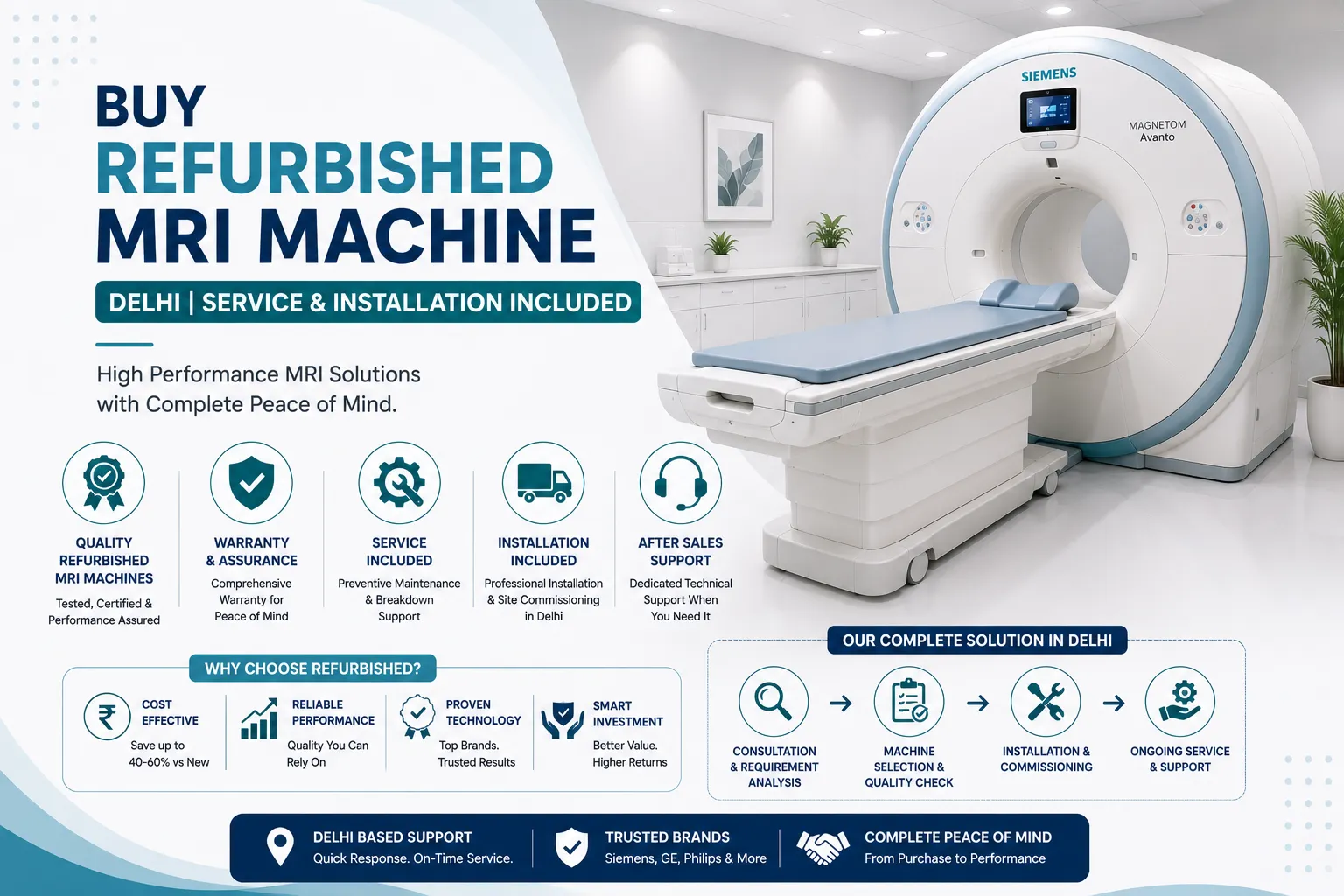
The Siemens Avanto MRI is also a 1.5 Tesla system, but it is often selected by facilities that expect heavier workloads and broader clinical requirements.
The Avanto is designed to support advanced imaging applications while maintaining efficient patient throughput.
Healthcare facilities often choose the Avanto when they:
Serve a larger patient population
Offer advanced imaging studies
Operate in competitive healthcare markets
Expect continued growth in scan volumes
One observation frequently shared by imaging teams is that patient comfort and workflow efficiency become increasingly important as scan volumes increase.
The Avanto addresses these operational challenges through features that help improve examination efficiency and support a smoother scanning process.
For facilities planning significant growth over the coming years, the Avanto may provide additional flexibility.
Budget Matters, But So Does Long-Term Value
Price is always part of the conversation when purchasing an MRI system.
Many facility owners focus on the initial investment. While that is important, experienced healthcare operators often evaluate the total cost of ownership.
This includes:
Installation costs
Site preparation
Service support
Maintenance requirements
System uptime
Future upgrade options
Before making a decision, it is helpful to review current Siemens MRI Machine Price information and understand how different models fit within your available budget.
A lower purchase price does not always mean lower long-term costs. Likewise, a higher investment may not always deliver value if your facility cannot fully utilize the system\'s capabilities.
Which MRI System Is the Better Choice?
There is no single MRI system that works for every diagnostic centre. The right choice depends on your clinical requirements, budget, and the features you need.
Comparing Key Features:
| Feature | Essenza | Avanto |
|---|---|---|
| Magnet Strength | 1.5T | 1.5T |
| Patient Volume | Moderate | High |
| Clinical Applications | Routine Imaging | Advanced Imaging |
| Budget Range | Lower | Higher |
| Expansion Potential | Good | Better |
If your facility focuses on routine imaging and moderate patient volumes, the Siemens Essenza may be the right fit. It offers reliable performance and supports a broad range of examinations.
If your centre handles higher patient volumes or plans to expand its imaging services, the Siemens Avanto may provide additional flexibility and workflow advantages.
Many industry professionals follow a simple rule when selecting imaging equipment: choose the system that fits your current needs while leaving room for realistic growth.
That approach often leads to better financial decisions and smoother day-to-day operations.
Final Thoughts
A growing diagnostic centre needs equipment that supports both patient care and business goals. Choosing between the Siemens Essenza and Siemens Avanto is not about finding the better machine. It is about finding the better fit.
Take time to evaluate your patient volume, clinical requirements, available space, and long-term plans. Once these factors are clear, selecting the right MRI system becomes much easier.
For many facilities, the best MRI machine is not the most expensive option. It is the one that delivers dependable performance, supports daily operations, and continues to meet the centre\'s needs as it grows.