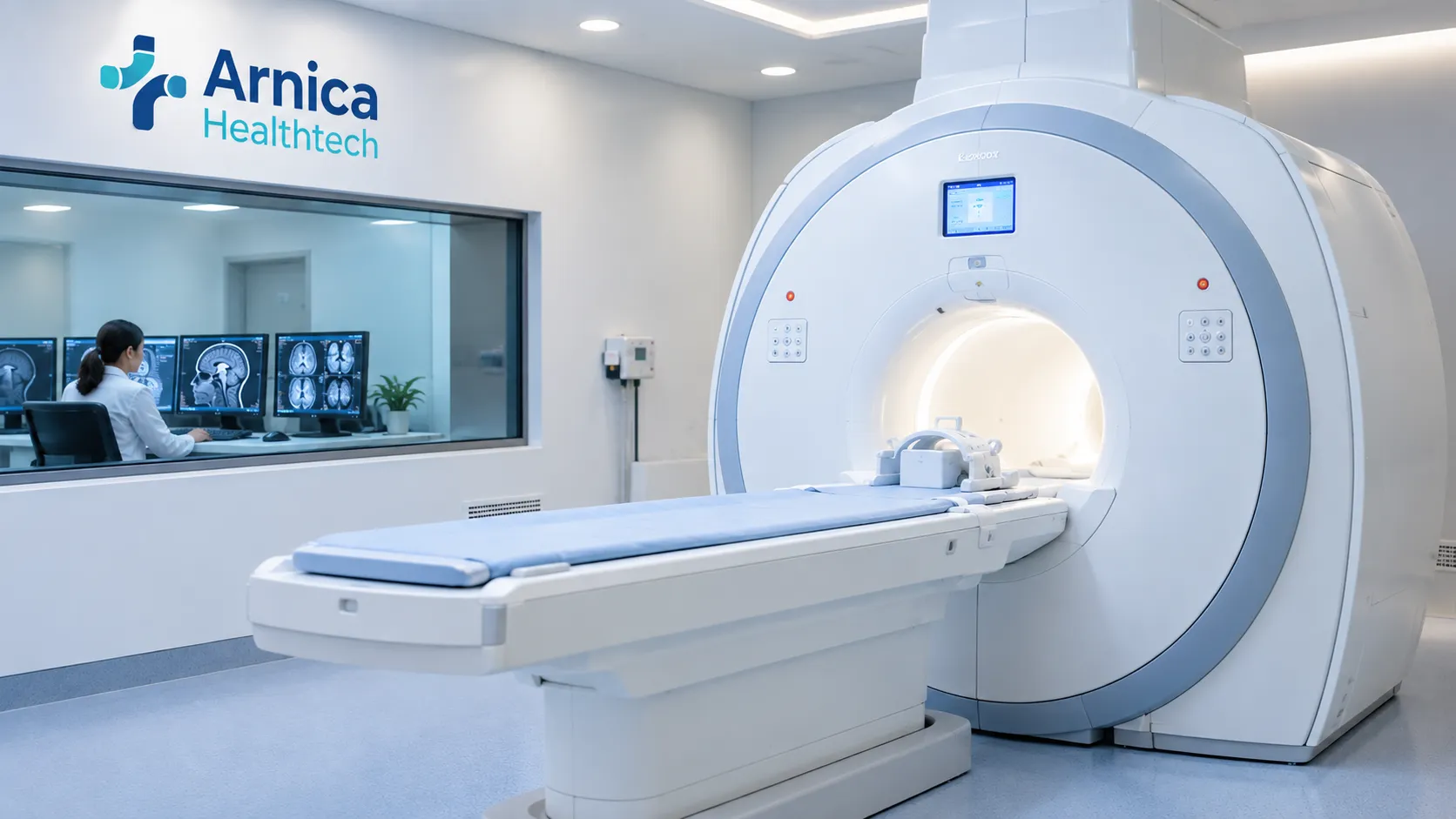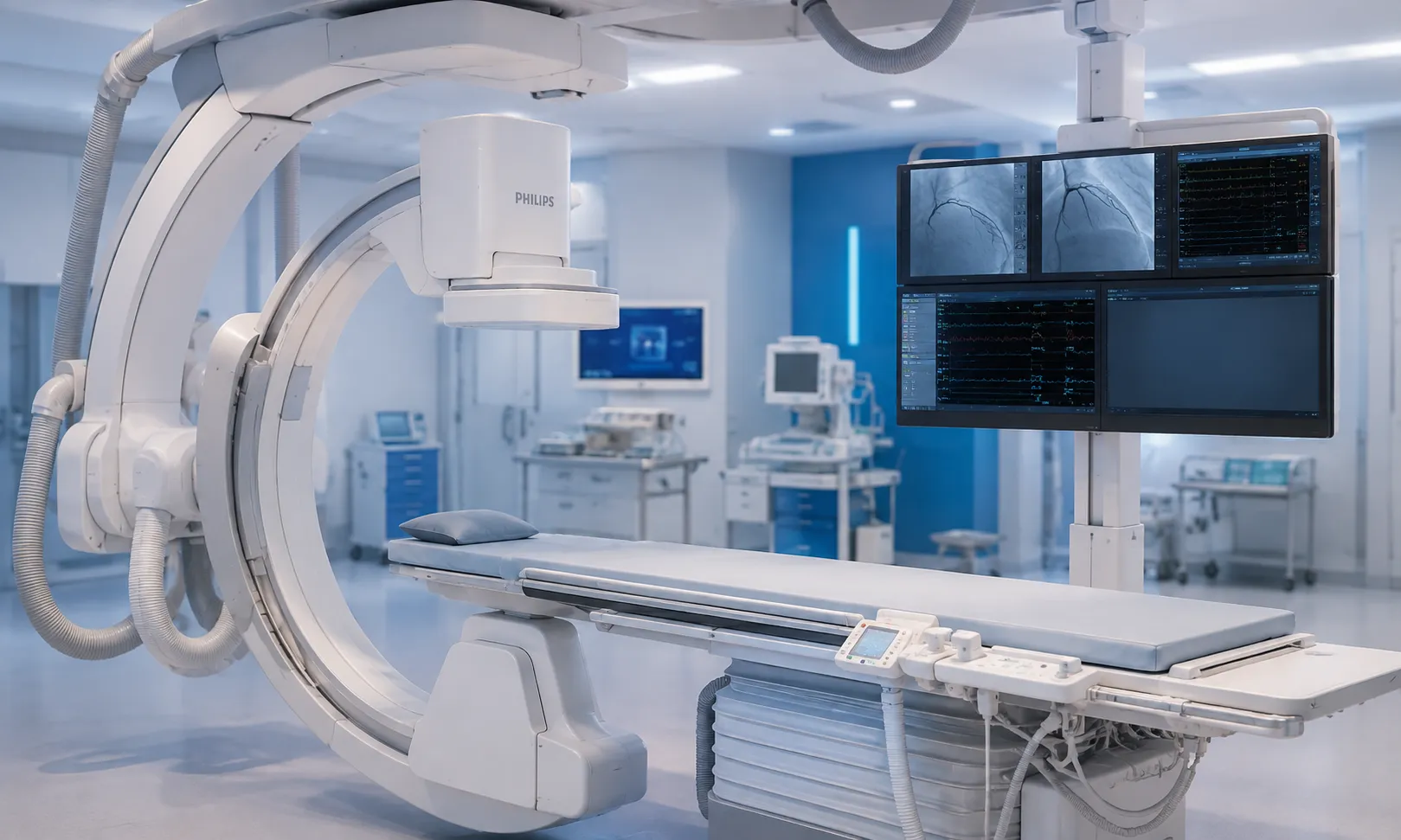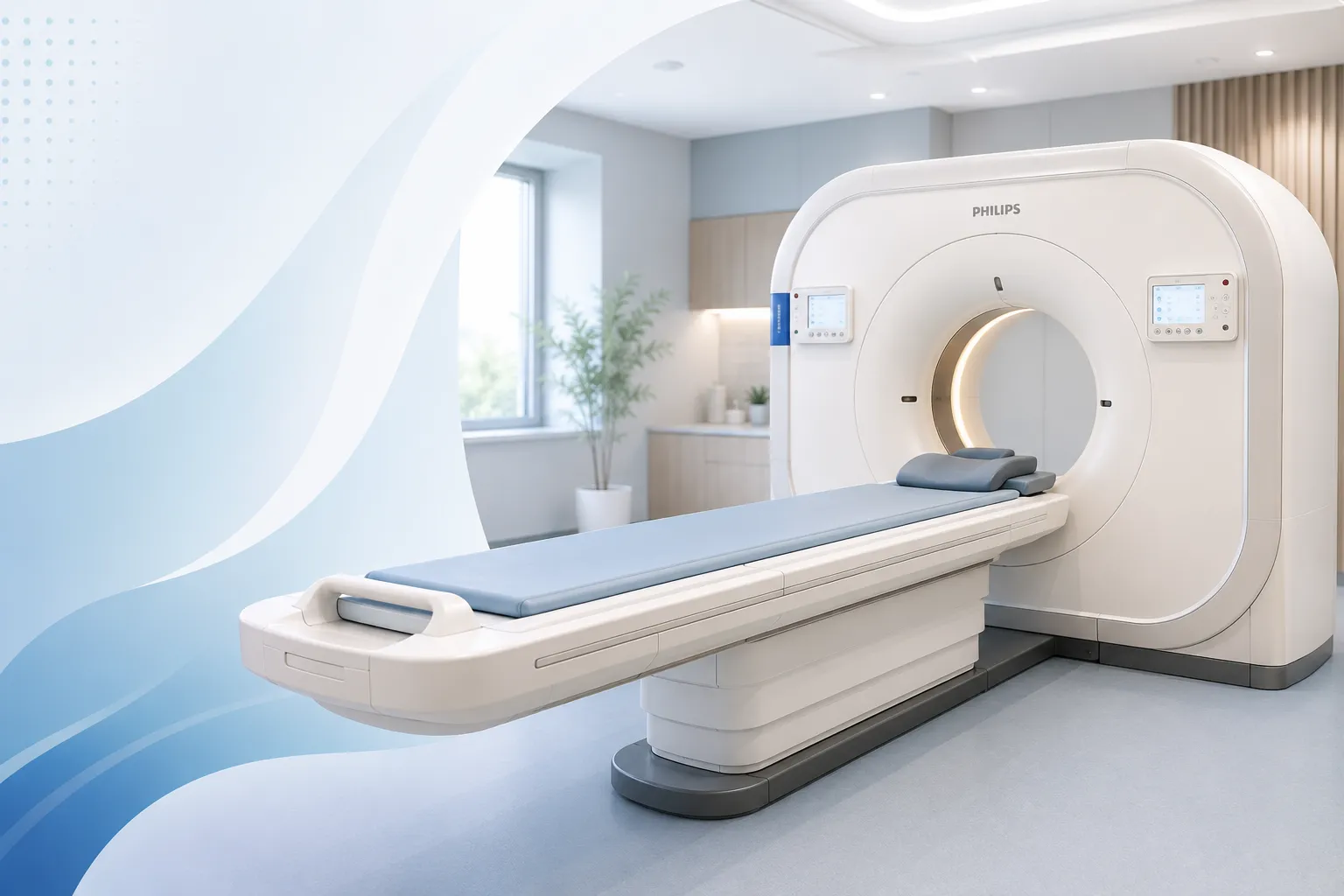
A few years back, AI in radiology was mostly a conference topic. Vendors would demo a chest X-ray algorithm on stage, everyone would nod, and then go back to running their centers exactly the way they always had. That gap between demo and daily use has closed fast. By 2026, AI tools are sitting inside live diagnostic workflows at hospitals and standalone centers across tier 1, tier 2, and even tier 3 cities in India, not as a novelty but as part of how scans actually get read and reported.
If you're running a diagnostic center right now, or planning to open one, this shift affects more than just your equipment list. It touches your workflow, your staffing, your regulatory paperwork, and honestly, your competitive position in your local market. Here's what's actually changing, in plain terms, without the hype.
AI Has Moved From Add-on to Core Workflow
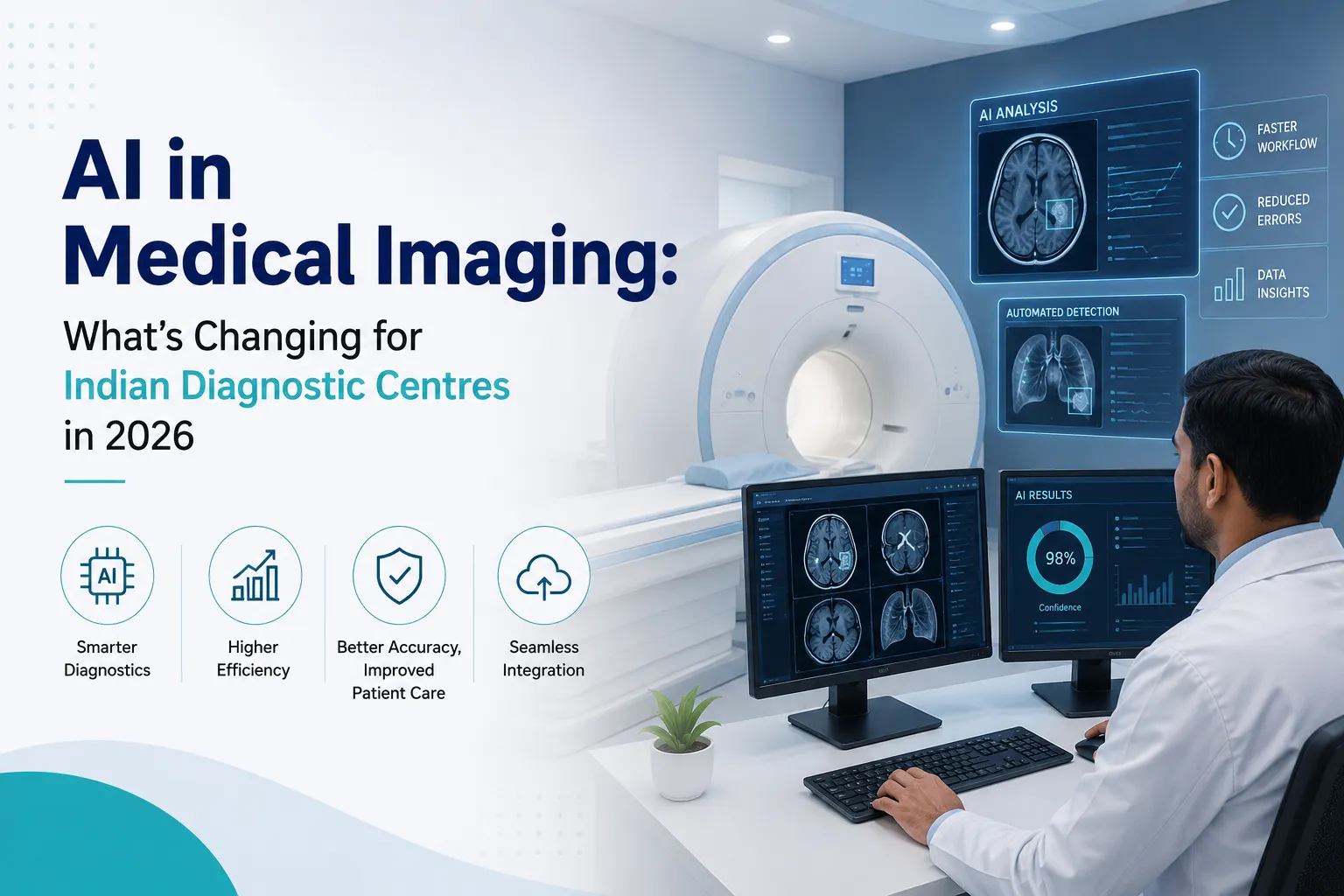
The biggest change isn't a single flashy feature, it's where AI sits in the process. Earlier, AI tools were bolted on as a second opinion, something a radiologist might check after finishing a report. Now, in a growing number of centers, AI runs as the first pass. It flags urgent findings like a suspected stroke or a lung nodule the moment the scan comes off the machine, prioritizes that case in the radiologist's queue, and lets routine scans wait their turn.
This matters practically because it changes turnaround time on the cases that need it most. A center using AI triage properly can get a critical CT read in front of a radiologist within minutes instead of hours, purely because the software is sorting the queue instead of a technologist manually flagging cases based on gut feeling.
Voice, Reporting, and Quality Control Are Getting Automated Too
It's not just image interpretation. A lot of the AI adoption happening in Indian radiology right now is quieter than that, voice to report tools that convert a radiologist's dictation straight into a structured report, and quality control layers that catch inconsistencies or missing fields before a report goes out. These tools don't replace the radiologist's judgment, they just cut down the administrative drag that eats into reporting time.
For a mid sized center handling a few hundred scans a day, shaving even a few minutes off each report adds up to real capacity, without hiring another radiologist or buying another machine.
The Regulatory Ground Has Shifted Under Everyone's Feet
Here's something a lot of centers haven't fully caught up on yet. AI software used for diagnostic interpretation in India is now treated as software as a medical device, regulated by the Central Drugs Standard Control Organisation under the Medical Device Rules. Most radiology AI products fall under Class B or Class C, which means they need proper CDSCO registration through an Indian license holder before a center can legally use them for diagnostic decisions.
On top of that, patient data handling now falls under the Digital Personal Data Protection Act. If you're evaluating an AI vendor, ask them directly whether their product is CDSCO registered and how they handle patient data storage and consent. A vendor who can't answer that clearly is a red flag, not a minor detail to sort out later.
Who's Actually Building This Stuff for India
The vendor landscape has matured a lot. On the domestic side, you've got players building AI specifically trained on the kind of case mix and image quality typical in Indian centers, covering everything from chest X-ray screening to stroke triage to breast cancer detection using thermal imaging that doesn't need specialist technicians or radiation exposure at all. Global vendors with strong India presence are also in the mix, often integrated directly into the equipment itself rather than sold as separate software.
This is actually good news for smaller centers. A few years ago, AI felt like something only large hospital chains could afford or justify. Now it's common enough, and competitive enough between vendors, that a growing diagnostic center can realistically build AI into its workflow from day one, especially when the imaging equipment itself is a newer generation machine designed with AI integration in mind. If you're at the equipment selection stage, it's worth looking at what's built into modern systems, we covered this in detail when discussing the best siemens mri machine for growing diagnostic centres, since a lot of AI capability now ships as part of the scanner's native software rather than a bolt on afterward.
AI Is Also Changing What Older Equipment Can Do
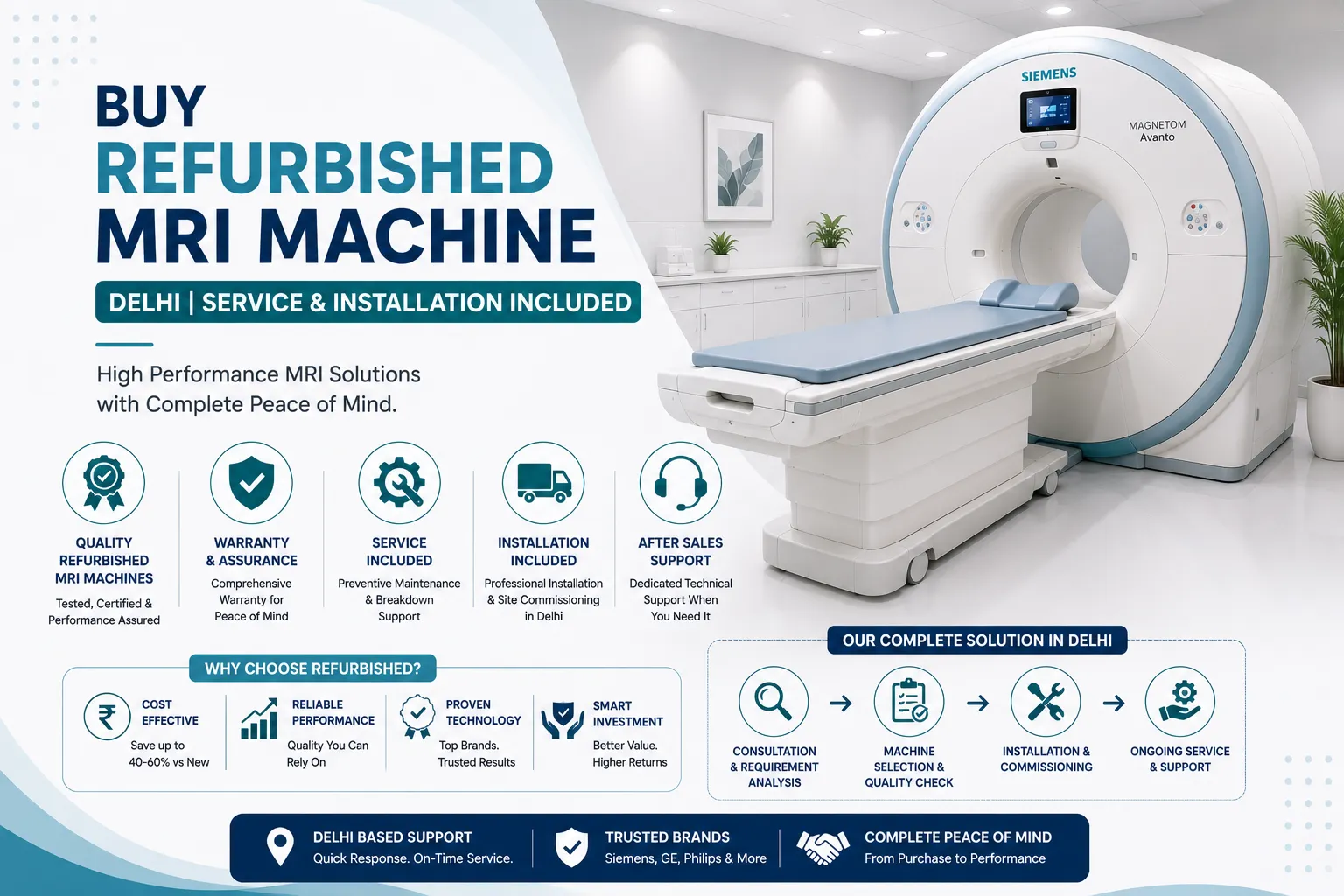
One thing that surprises a lot of center owners is that AI doesn't only benefit brand new equipment. Reconstruction algorithms and noise reduction software can meaningfully improve image quality on machines that are several years old, sometimes bringing older systems closer to the output quality of a newer generation scanner without replacing the hardware. This is a real factor if you're weighing new versus refurbished equipment for your center, since a well maintained refurbished machine paired with the right software upgrades can hold its own longer than people assume. We've gone into this in more depth in how refurbished mri and ct scanners keep up with modern technology, which is worth a read if budget is a real constraint for you right now.
That said, if you're deciding between a new purchase and a refurbished one for 2026, it helps to look at actual current numbers rather than assumptions, we broke down the pricing picture in mri machine price india 2026 new vs refurbished.
What This Means for Staffing and Training
AI isn't replacing radiologists, and anyone telling you it will is overselling the technology. What it is doing is changing what technologists and radiologists spend their time on. Less time on manual flagging and administrative report structuring, more time on actual clinical judgment for the cases that genuinely need it. Centers that are getting the most value out of AI right now are the ones that trained their staff properly on how the software fits into the existing workflow, rather than just switching it on and hoping people figure it out.
If you're planning your center's staffing model for 2026, build in real training time for AI tools the same way you would for any new imaging equipment. Rushing this step tends to create the same kind of inconsistency problems we've talked about before when equipment training gets shortchanged, something we touched on more broadly in common mistakes when planning a diagnostic centre.
Rural and Tier 2/3 Access Is a Genuine Bright Spot
One of the more encouraging shifts is how AI is helping close the access gap outside major metros. Tools that don't require a specialist radiologist on site, portable retina imaging for diabetic screening, thermal imaging for breast cancer detection, chest X-ray triage that can flag TB or pneumonia cases immediately, are being deployed in community and primary health settings where a full radiology team was never realistic. For diagnostic centers operating outside major cities, this is worth paying attention to, because it's expanding what kind of screening and diagnostic services can actually be offered locally, without needing to fly in specialist coverage.
Conclusion
AI in medical imaging has stopped being a future trend you can plan for later. It's already reshaping turnaround times, reporting workflows, regulatory requirements, and even what your existing equipment is capable of. Centers that treat this as a genuine operational shift, not a marketing checkbox, are the ones seeing real gains in capacity and diagnostic confidence.
If you're planning equipment purchases, staffing, or workflow upgrades for your center this year, it's worth factoring AI readiness into every one of those decisions rather than treating it as a separate line item to figure out later. The centers getting ahead in 2026 aren't necessarily the ones with the newest machines, they're the ones who understood how software and hardware now work together, and planned accordingly from the start.