We've walked into more than a few diagnostic centers after they've already opened, only to find problems that should have been caught on paper months earlier. A room that's five feet too short for the magnet's service clearance. A power connection that can't handle the chiller load. A location picked because the rent was cheap, not because anyone checked the footfall. These aren't rare cases, they're the norm, and almost all of them trace back to decisions made in the planning phase, long before any equipment showed up on site.
If you're planning a diagnostic center, whether it's your first or your fifth, here are the mistakes we see most often, and what to do instead.
Choosing Equipment Before Choosing Strategy
This is probably the single biggest mistake, and it happens because buying a machine feels like progress. You get a quote, you get excited, you sign. But if you haven't first figured out your target patient volume, your referral network, and what procedures actually pay in your area, you're buying blind.
Sit down and map out who's going to send you patients before you decide what equipment to buy. A center near an orthopedic hospital cluster has a very different equipment priority than one near a cancer care center. Buying a high end machine because it looks impressive on paper, without the patient volume to support it, is how good centers end up cash strapped in year two.
Underestimating Site Requirements
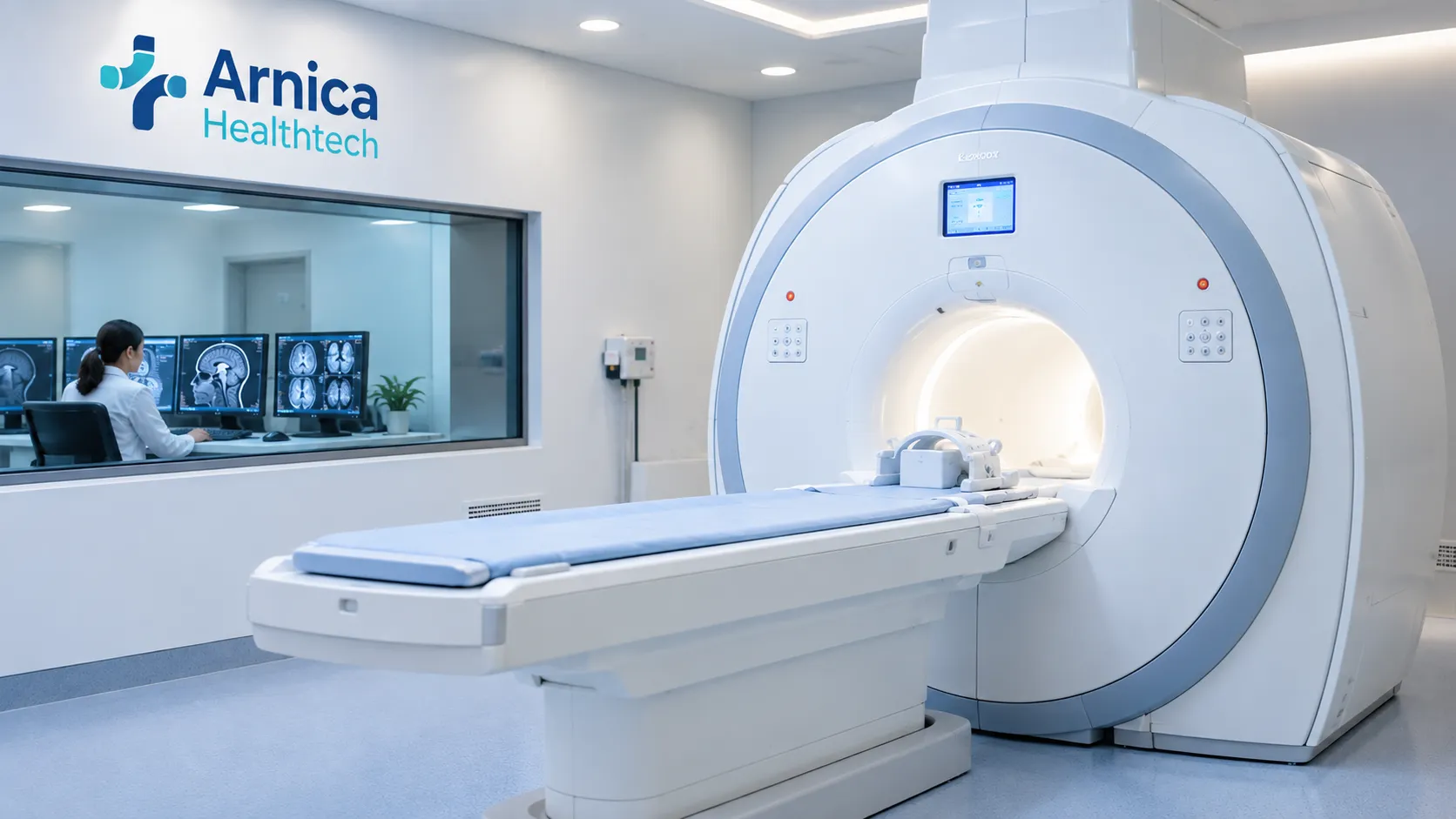
MRI and CT installations aren't just "find a room and plug it in." Magnet siting has real physical requirements, RF shielding, floor load capacity, HVAC sized for the equipment's heat output, and adequate clearance for service access and quench pipe routing if it's an MRI. We've seen builders promise a room will "work fine" without ever consulting the equipment vendor's site planning documents, and then the actual installation team shows up and finds out the doorway is too narrow to get the magnet through.
Get your site plan reviewed by people who actually install this equipment, not just your architect or contractor, before you pour a single slab of concrete. This single step alone prevents the most expensive and time consuming mistakes in the entire process. If you want to understand what a properly structured process looks like end to end, it helps to look at how established players handle site planning and installation support as part of the overall equipment purchase, not as an afterthought.
Ignoring Power and Infrastructure Load
Diagnostic equipment draws serious power, and it's not just about having enough amps coming into the building. Voltage stability matters too. A lot of centers, especially in smaller towns, run into image quality issues or even equipment faults because the local grid has voltage fluctuations that the facility never accounted for with proper stabilizers or UPS backup.
Before finalizing your electrical layout, get the actual power specifications from your equipment vendor, not a rough estimate. Oversizing your backup power and stabilization by a reasonable margin costs less upfront than dealing with recurring equipment faults and unplanned downtime later.
Buying New When Refurbished Would Have Worked Just Fine
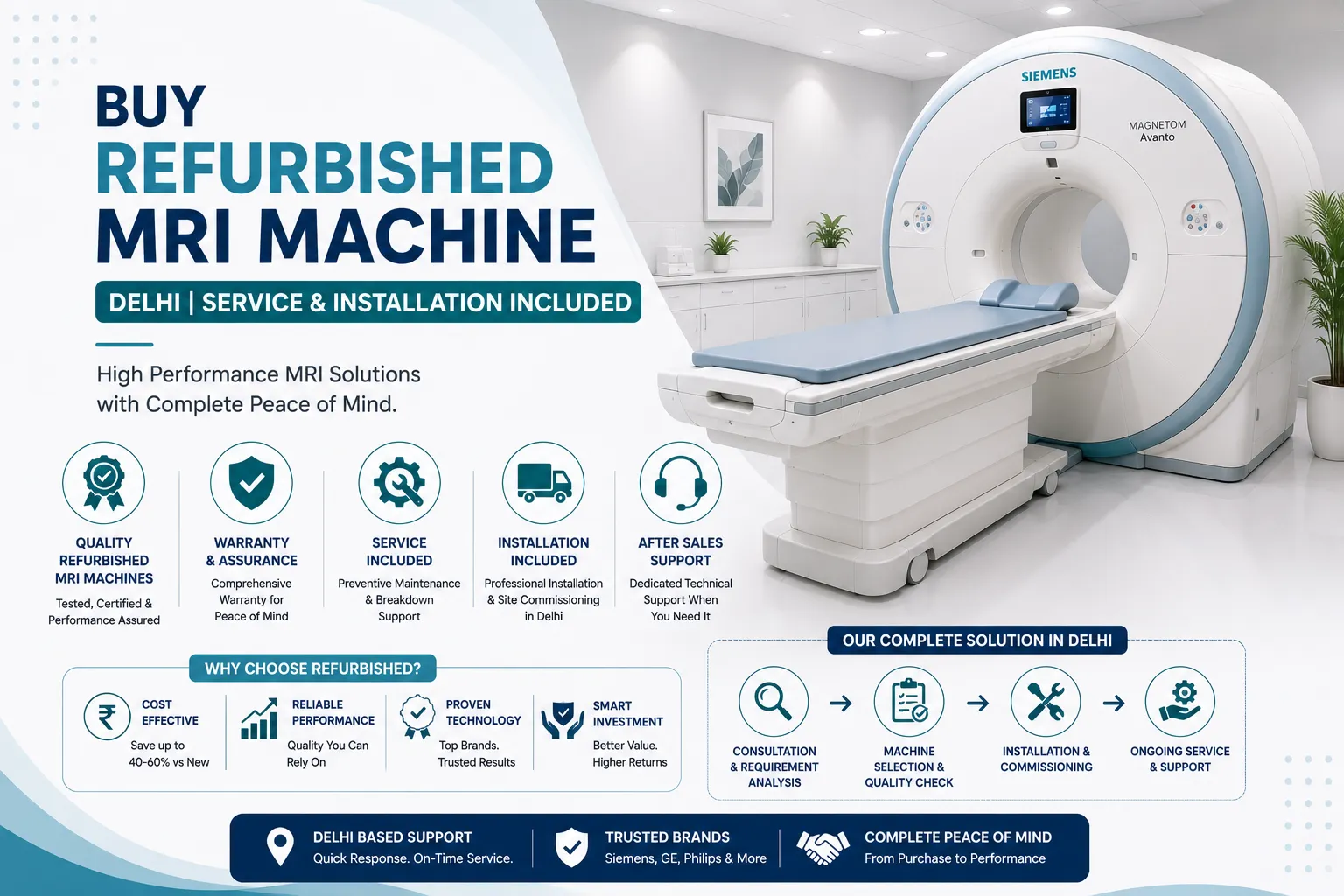
There's a strange assumption in this industry that new automatically means better, and it pushes a lot of centers to overextend financially right at launch. In reality, a well refurbished MRI or CT machine from a reputable supplier, properly tested and warrantied, can deliver the same diagnostic quality as new equipment at a fraction of the capital cost.
This matters most for centers that are still building their patient base. Committing all your capital to a brand new high end machine before you have consistent volume is a common way centers end up struggling with EMI payments in the first eighteen months. We've broken down exactly when refurbished MRI & CT scan machines make sense versus when new equipment is worth the extra spend, and for most first time centers, refurbished is the smarter entry point.
If you're still trying to work out the actual numbers for your city and equipment type, it's worth getting a clear read on MRI machine price in India or new vs refurbished MRI machines before you commit capital either way.
Skipping Due Diligence on the Equipment Dealer
This one costs people more than they realize. A diagnostic center is only as reliable as the equipment behind it, and the equipment is only as reliable as the dealer who sold it and services it. We've seen centers buy from dealers who disappeared after installation, leaving no support for calibration, parts, or breakdowns. When a machine goes down and there's no one to call, that's lost revenue every single day it sits idle.
Before you finalize any purchase, check the dealer's service history, ask for references from existing customers, and confirm what happens when something breaks after the warranty period. We put together a proper checklist on choosing the right MRI and CT scan machine dealer that covers exactly what to verify before signing anything, and it's worth going through line by line before you commit.
Underestimating Staffing and Training Timelines
Buying the equipment is only part of the job, running it well is the other half. We regularly see centers rush their opening date without giving technologists enough time to properly train on the specific machine model they've purchased. Every system has its own protocols, quirks, and software interface, and a technologist who's used to a different model needs real hands on time before they can deliver consistent, high quality scans.
Build training time into your launch timeline, not as an afterthought squeezed in during the final week. Rushed training shows up later as inconsistent image quality, longer scan times, and more repeat scans, all of which cost you money and patient trust.
Not Planning for Maintenance and Downtime From Day One
A lot of new centers only think about maintenance contracts after something breaks. That's backwards. Diagnostic equipment, especially MRI systems with helium cooling and complex gradient coils, needs scheduled preventive maintenance to avoid unplanned failures. Skipping a proper annual maintenance contract to save money in year one often ends up costing far more in emergency repairs and lost scanning days later.
Build your maintenance budget into your financial plan from the very beginning, not as a line item you'll figure out later. A center that loses even a week of scanning time to an unplanned breakdown can lose more revenue than a full year of a proper service contract would have cost.
Overlooking Regulatory and Licensing Timelines
Diagnostic centers need multiple approvals, AERB clearance for radiology equipment, biomedical waste management registration, fire safety NOC, and state level clinical establishment registration, among others. These processes take time, and they often move slower than equipment delivery timelines. We've seen fully installed, fully staffed centers sit idle for weeks because a licensing document was still pending.
Start your regulatory paperwork in parallel with your site construction and equipment procurement, not after. Talk to a consultant who's handled these approvals in your state specifically, since requirements and processing times vary quite a bit between states.
Conculsion
Planning a diagnostic center is a long list of interconnected decisions, and getting any one of them wrong tends to create delays and costs that ripple through the rest of the project. The centers that open smoothly and hit their revenue targets aren't the ones with the biggest budgets, they're the ones that did the homework upfront. Map your patient volume before you buy equipment. Get your site properly reviewed before construction. Understand new versus refurbished honestly instead of defaulting to whichever feels more impressive. Vet your equipment dealer the way you'd vet a business partner, because that's what they are. Budget for training and maintenance from day one, not as afterthoughts.
None of this is complicated once you know to look for it. It just needs someone experienced walking through it with you before the concrete gets poured and the equipment gets ordered. If you're at that planning stage right now, it's worth having these conversations with your equipment partner early, while there's still room to adjust the plan without it costing you time or money.